How to Choose a Psychotherapist in Croatia

Finding a therapist is easier when you know how the system works. In Croatia, psychotherapy is a legally regulated profession with a public register, protected titles and clear education requirements — which means you can verify who you are talking to before the first session. This guide explains the difference between a psychotherapist, a counselling therapist, a psychologist and a psychiatrist, what credentials to check, what sessions cost in 2026, and how to judge whether a therapist is the right fit. If you are in immediate distress, call 112 or go to the nearest hospital’s psychiatric emergency service — this guide is about finding ongoing support, not crisis care.
Who’s who: four titles that get mixed up
Psychotherapist (psihoterapeut) is a protected title under Croatia’s Act on the Practice of Psychotherapy (NN 18/22). It requires a university degree in a helping-profession field — medicine, psychology, social work, pedagogy and similar — plus at least four years of specialised training in a recognised psychotherapy approach, or the European Certificate of Psychotherapy (ECP).
Counselling therapist (savjetodavni terapeut) is the second regulated title. The entry degree can be from any field, followed by at least three years of psychotherapy training and additional coursework covering psychology, psychiatry and related basics. In practice, both titles mean supervised, formally trained professionals — the psychotherapist track simply builds on a clinical or helping-profession degree.
Psychologist (psiholog) holds a psychology degree and is licensed by the Croatian Psychological Chamber. Psychologists do assessment and counselling; many — but not all — also complete psychotherapy training. A psychology degree alone does not make someone a psychotherapist.
Psychiatrist (psihijatar) is a medical doctor specialised in psychiatry — the only one of the four who can prescribe medication. Psychiatrists work in hospitals and private clinics; some also practise psychotherapy. Seeing a psychiatrist through the public health system requires a GP referral; psychotherapy in private practice does not.
Check the register, not the website
Every licensed psychotherapist and counselling therapist in Croatia is listed in the public registers of the Croatian Chamber of Psychotherapists (Hrvatska komora psihoterapeuta — hkpt.hr): the Imenik psihoterapeuta and the Imenik savjetodavnih terapeuta. A licence (dopusnica) from the Chamber is what makes practice legal — not a diploma on the wall or a polished Instagram profile.
Two minutes of checking covers it: the therapist’s name in the HKPT register, the approach they trained in, and — if they advertise ECP — that European certificate is itself proof of meeting the training standard. Titles like “life coach” or “NLP practitioner” outside these registers are not regulated in Croatia; that doesn’t automatically make someone unhelpful, but you lose the guarantees of formal training, a code of ethics and the Chamber’s complaint procedure.
Choosing an approach — does it matter?
Croatian therapists train in the approaches recognised by the Chamber: cognitive-behavioural therapy (CBT), gestalt, psychodynamic and psychoanalytic therapy, systemic family therapy, transactional analysis, integrative therapy and others. Research on outcomes consistently points to one factor that matters at least as much as the school of therapy: the quality of the working relationship between you and the therapist.
A practical way to decide: CBT tends to be structured, goal-focused and often shorter-term; psychodynamic and gestalt work is more exploratory; systemic therapy is the natural choice when the issue lives in a relationship or family. If you have no strong preference, choose by fit and logistics first — you can ask any therapist to explain how their approach would handle your situation, and a good one will answer in plain language. Two highly rated practices from our directory:
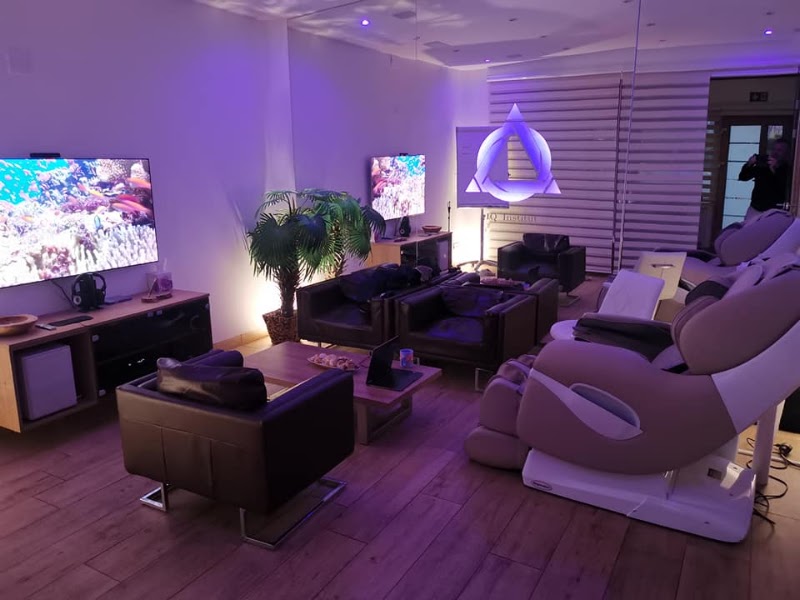
Centar za razvoj osobnosti
Zagreb
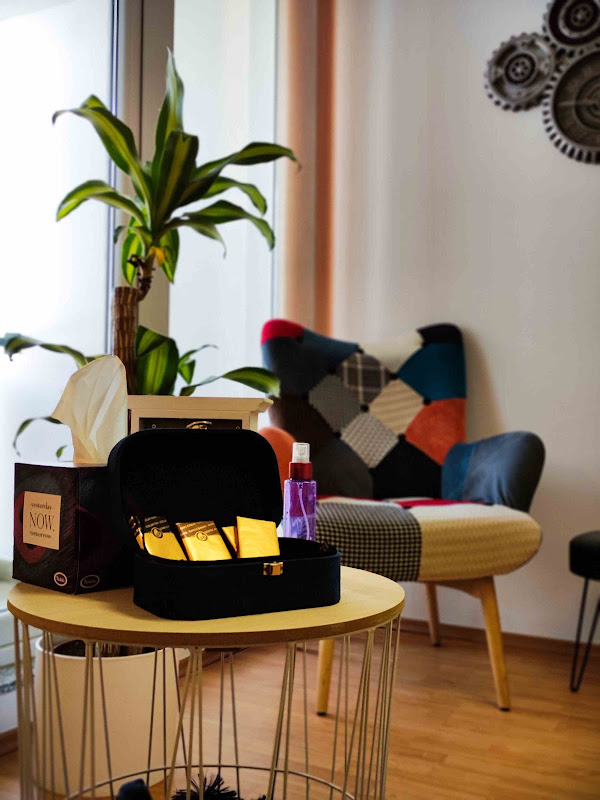
Humani Studio - psihoterapija - Irena Jurjević
Zadar
What therapy costs in Croatia in 2026
Private psychotherapy in Croatia is paid out of pocket in most cases. In 2026, individual sessions of 50–60 minutes typically cost €40–€80, with most Zagreb practices in the €50–€70 range; couples sessions run higher (roughly €90–€130 for 75–90 minutes), and sessions at private polyclinics can exceed €80. Some therapists offer reduced rates for students or a limited number of lower-income clients — it is normal to ask.
Frequency is usually once a week at the start. That makes the real question not “what does a session cost” but “what does a month cost” — plan for €160–€320 monthly while therapy is active. Publicly funded psychotherapy exists within the health system (via GP referral to psychiatric outpatient services), but waiting times are long and continuity varies; that gap is exactly why the private market has grown.
The first session is a two-way interview
The first meeting is for both of you to decide whether to work together. Reasonable things to ask: where the therapist is registered and in which approach they trained, how they would work with your specific concern, how often you’d meet and how progress gets reviewed. Reasonable things to expect: a clear fee agreed upfront, confidentiality explained (including its legal limits), and no promises of guaranteed results — ethical therapists don’t make them.
Fit is allowed to fail. If after two or three sessions you feel unheard, judged or simply mismatched, changing therapists is normal and common — it says nothing about you and doesn’t mean therapy “doesn’t work”. Most therapists will take no offence; many will help you find a colleague who suits you better.

Kognitivna Muza
Osijek
Prostor - psihološki centar za djecu, adolescente i roditelje
Zagreb
Online, in English, outside Zagreb
Video sessions became standard in Croatian practice and most therapists offer them — useful if you live outside the bigger cities or travel often. English-speaking therapy is widely available in Zagreb, Split and Rijeka, particularly among younger therapists; if you need another language, ask directly, and expect the answer to be honest since therapy depends on nuance.
Our directory lists 234 verified therapy practices across Croatia — 64 in Zagreb alone — with phone numbers, websites and locations on every listing, so you can shortlist a few, check them against the HKPT register and book first sessions without a referral.